


Exploring the psychology behind casino gambling
The Allure of Risk and Reward
The psychology of casino gambling is intricately linked to the excitement of risk and reward. Many individuals are drawn to the thrill that accompanies the chance of winning big, whether through card games, slot machines, or roulette. This exhilarating experience can activate the brain’s reward system, leading to the release of dopamine, a neurotransmitter responsible for feelings of pleasure and satisfaction. For those seeking quick access to their winnings, the option of a fast withdrawal casino uk can enhance the overall gaming experience, as the unpredictability associated with gambling generates a sense of anticipation, compelling players to keep returning in hopes of achieving that coveted big win, which always seems just within reach.
In addition to the excitement of potential rewards, the phenomenon of “near misses” significantly influences gamblers’ behaviors. When players come close to winning—like landing two out of three symbols on a slot machine—they often interpret this as a sign that victory is imminent. These near wins can serve as a powerful motivator, prompting individuals to continue playing, believing that luck is about to turn in their favor. This psychological effect reinforces gambling habits, as players become increasingly determined to chase that elusive success, often leading to extended play sessions.
The social dimension of gambling is another compelling factor. Many individuals are attracted to the casino atmosphere not only for the games but also for the chance to socialize with others. Engaging with fellow gamblers creates a sense of community and shared excitement. The combination of thrilling gameplay, social interaction, and the potential for substantial rewards creates a potent psychological draw that keeps players coming back for more, reinforcing both the emotional and behavioral aspects of gambling.
The Impact of Environmental Cues
The casino environment is meticulously crafted to enhance the overall gambling experience, employing various psychological triggers to influence player behavior. Upon entering a casino, individuals are enveloped in a sensory-rich atmosphere filled with bright lights, alluring sounds, and tempting scents, all designed to evoke feelings of excitement and anticipation. This immersive environment can captivate players, making it difficult for them to leave as they become engrossed in their surroundings, often losing track of time and their spending.
The layout of casinos is also strategically designed to encourage exploration and prolonged engagement. Games are arranged in such a way that they invite players to wander and discover different areas of the casino. The absence of clocks and windows contributes to a disorienting experience, leading players to lose awareness of how long they have been gambling. This artificial sense of timelessness can result in prolonged gaming sessions, increasing the likelihood of significant financial losses.
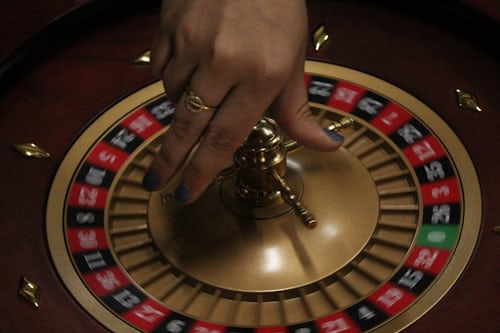
Moreover, casinos employ psychological manipulation through marketing strategies and promotional offers to further enhance player retention. Loyalty programs, complimentary drinks, and enticing bonuses create a sense of added value that encourages players to stay longer and wager more. This combination of environmental cues and strategic marketing fosters a unique atmosphere that can lead to impulsive decision-making and a heightened risk of developing gambling-related issues.
The Role of Cognitive Biases
Cognitive biases play a crucial role in how gamblers perceive odds and make decisions, often leading to irrational behavior. A common cognitive bias in gambling is the illusion of control, where players mistakenly believe they can influence outcomes in games that are fundamentally based on chance. For instance, a player might think that by employing a specific betting strategy or engaging in particular rituals, they can enhance their chances of winning at a game of chance. This false sense of control can sustain gambling behavior, leading to increased play and potentially greater losses.
Another significant cognitive bias is the gambler’s fallacy, which involves the belief that past events can influence future probabilities. Many gamblers are misled by the notion that if a specific outcome has occurred multiple times in a row, it is less likely to happen again. For example, a player might convince themselves that if a certain number hasn’t appeared in a while, it is due to appear soon. This flawed reasoning can result in poor betting decisions and escalated risk-taking, as individuals place bets based on misconceptions rather than understanding the actual odds.
Recognizing these cognitive biases is essential for promoting responsible gambling. By understanding how these mental shortcuts distort reality, gamblers can become more aware of when their decision-making is influenced by emotions rather than facts. Encouraging a more accurate perception of odds and outcomes can empower individuals to make informed choices, ultimately reducing the risk of developing problematic gambling habits.
The Emotional Roller Coaster of Gambling
The emotional experience of gambling can be compared to a roller coaster ride, characterized by extreme highs and lows that significantly impact players’ psychological states. Winning can elicit intense feelings of euphoria and excitement, reinforcing the desire to pursue additional victories. Conversely, losses can lead to feelings of frustration, disappointment, and even despair, which may result in emotional distress. This cyclical nature of elation and despair creates a precarious balance, trapping players in a cycle of emotional dependence on gambling.

Furthermore, the emotional dynamics often lead individuals to engage in loss chasing, a behavior driven by the need to recover lost funds. When players encounter a setback, the overwhelming urge to reclaim what was lost can lead to further gambling, often resulting in even greater financial woes. The emotional drive to recoup losses can cloud judgment and lead to impulsive decisions that individuals might not consider in a calmer state of mind, exacerbating the cycle of gambling behavior.
Developing an understanding of the emotional effects of gambling is crucial for maintaining a healthy relationship with gaming. Acknowledging the emotional highs and lows can help individuals implement coping strategies to deal with losses more effectively. For instance, setting predetermined loss limits or taking regular breaks can provide necessary emotional relief and help prevent the escalation of gambling behavior triggered by overwhelming feelings. By fostering emotional awareness, players can enhance their overall gambling experience while minimizing the risks associated with excessive play.
Understanding Responsible Gambling Resources
As the dialogue surrounding gambling continues to evolve, it is essential to ensure that players have access to resources that promote responsible gambling practices. Numerous organizations and websites dedicate themselves to educating consumers about the risks associated with gambling and providing tools for maintaining a balanced approach to gaming. These resources often include information on identifying the signs of problematic gambling behavior and practical strategies for effectively managing risks.
Responsible gambling initiatives focus on raising awareness about the importance of setting limits and adhering to them. Players are encouraged to establish budgets, limit their gambling time, and remain vigilant about their emotional responses to both wins and losses. Additionally, many casinos and online platforms have implemented features that allow players to self-exclude or set deposit limits, providing a safety net for those who may be struggling with their gambling habits.
In conclusion, understanding the psychology behind casino gambling is vital for anyone engaged in gaming activities. By recognizing the psychological influences of risk, environmental cues, cognitive biases, and emotional dynamics, players can create a framework for responsible play. Resources dedicated to promoting responsible gambling are invaluable in fostering a safe and enjoyable gambling environment for all. Engaging with these resources not only enhances player awareness but also contributes to a healthier gaming community overall.
Sorry, the comment form is closed at this time.